The first kilometre is always negotiation: legs waking up, traffic lights I hit wrong, the smell of exhaust trapped between buildings. I cut from Marine Parade Road toward the park and feel the gradient change — not steep, but enough that my chain speaks up on the cassette. I shift early because I've learned the cost of waiting.
By the time the path opens and trees give way to sky, my shirt is already damp at the spine. June doesn't pretend here. Neither do I — I drink at every fountain, refill twice, and still finish the bottle before the halfway mark. Runners pass with earbuds in. Dog walkers let their leashes go slack when they see a cyclist approaching. We all know the choreography.
Then the wind arrives — not gentle, not dramatic, just steady enough to rewrite the temperature on my face. Salt and kelp and something metallic from ships far out. My ears fill with it and for a stretch I stop thinking about inbox counts or whether I left the kitchen window open. The body simplifies: push, breathe, steer around the crack in the asphalt I've memorised.
Families cluster at the sand edge. A boy tries to fly a kite that isn't interested. An uncle casts a line with the patience of someone who has nowhere else to be until lunch. I don't stop — stopping would let the heat catch up — but I slow enough to register them as part of the same moving picture I'm inside.
The bend near the lagoon is where the ride always turns. Literally. I lean into it and the photo in my head matches what I later put on this page: water on the left, path curving, my shadow long because the sun is still climbing.
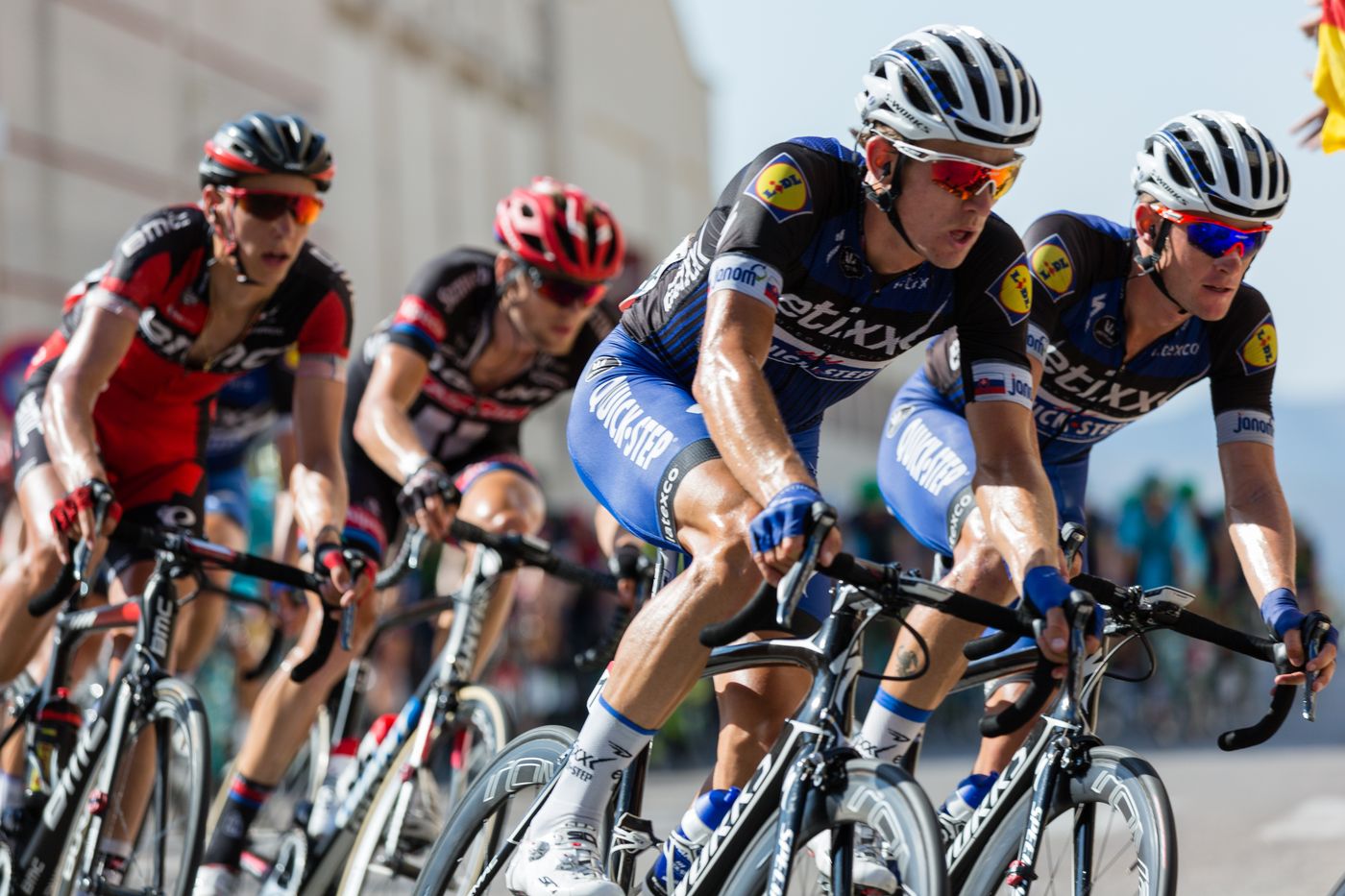
Today I add the loop. Extra four kilometres because my knees feel cooperative and because turning back early always leaves a itch — like leaving a book mid-chapter when the plot just tightened. The return leg is harder: wind in the face now, slower speeds, more conscious effort. I count pedal strokes between rest stops the way some people count breaths in meditation.
What stays with me isn't the distance. It's the transition zone — that hundred metres where land smells fade and sea smells take over. You can't pin it on a map precisely; you feel it. Singapore is so built-up that we forget the island is still an island until a ride like this reminds you.
Back at Marine Terrace, I rinse the bike, hang it on the wall hook, and stand under the ceiling fan until my shirt stops sticking. My neighbour asks if the path was crowded. "Enough," I say, which is accurate without being a report. Crowds aren't the point. The point is that for ninety minutes the city couldn't hurry me — I was the one setting pace, and the sea wind held the metronome.
I'll ride the same connector next week. The cracks will be in the same places. The fountain will still sputter on the first press. But the wind will have a different temper, and I'll write that down too if it earns a sentence.